Business vans · Veterinary
Mobile veterinary vans
A ProVanWorks mobile vet van is a heated, insulated cargo van fitted out as an exam room for animals, with an exam table, seating for the owner, hot water and a waterproof floor. We build it at our shop in Langley, BC, on the same platform as our winter-ready grooming vans, and ship to veterinarians across Canada and in the United States.
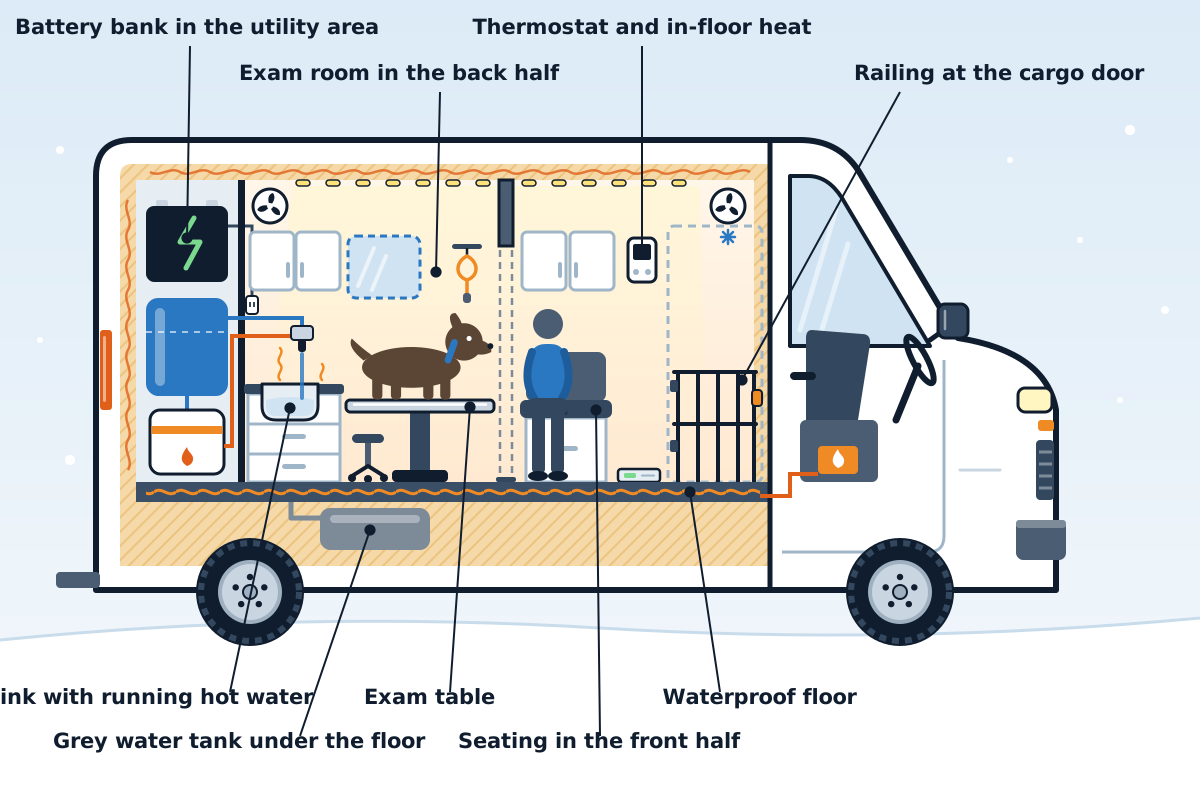
What goes inside a ProVanWorks vet van?
A ProVanWorks vet van has an exam area for you and the animal, and a seating area where the owner sits during the visit. A common layout puts a closed exam room in the back half of the cargo area, with owner seating or storage cabinets in the front half beside the side door. The build includes:
- An exam table in the work area, under the ceiling lights.
- Seating for the client, so the owner can stay close to the animal.
- A railing at the cargo door, so dogs cannot get out when the door is open.
- A waterproof floor that you can wash down between patients.
- A sink with running hot water from a fresh water reservoir, and a separate grey water tank.
- Cabinets for supplies and equipment.
- Two fans, with air conditioning on the front fan.
- Optional windows that open, for daylight and fresh air.
We use top-quality products and materials in every build. Tell us how you examine animals and what equipment you carry, and we plan the layout around it.
Why build a vet van on a grooming van platform?
A mobile vet van and a mobile dog grooming van need many of the same things: a warm room for an animal, hot water, a floor that takes water and mess, a door that keeps dogs inside and lighting with no shadows on the coat. ProVanWorks already builds all of that into every grooming van, so a vet van starts from a platform that has been worked out for dogs. The exam area, cabinets and client seating are then laid out for veterinary work instead of grooming.
How does a vet van keep sick animals warm in winter?
A ProVanWorks vet van keeps animals warm with insulation in the walls, roof and floor and heat that comes up through the floor and out of the walls. A small diesel, gas or electric heater under the seat warms fluid in pipes running through the floor and walls, heat exchangers move the warm air around the room, and a thermostat holds the temperature you set. A sick or older animal lying on a warm floor is easier to keep comfortable than one on cold metal. In summer, the front fan runs the air conditioning so the van does not overheat. The cold-weather design page explains each part of the heating system.
How does the railing at the cargo door work?
The railing at the cargo door of a ProVanWorks vet van stops dogs from jumping out when you open the door. You can open the door to bring in the next patient, talk to an owner or pass something out, and the dog already inside stays in the van. ProVanWorks fits the same railing on every grooming van.
What water does a mobile vet van carry?
A ProVanWorks vet van carries a fresh water reservoir in the rear utility area and a separate grey water tank. The hot water keeps working in very low winter temperatures because the plumbing stays inside the heated part of the van. Grey water goes to an approved disposal point or the sanitary sewer, never a storm drain. The water system page covers tanks and hot water in more detail.
What power does a mobile vet van have?
A ProVanWorks vet van runs its lights, fans and equipment from an auxiliary battery bank in the rear utility area. The batteries charge at Level 2 EV chargers. Solar panels and side covers (awnings) are available as add-ons. Send us a list of the equipment you plan to run so we can size the battery bank.
What standards apply to a mobile veterinary practice?
Veterinary colleges set the facility standards for mobile practices, such as the College of Veterinarians of British Columbia (CVBC) in BC. Those standards are the veterinarian's responsibility, so check what your college requires before you plan the layout, and send us the list.
Frequently asked questions
Can a mobile vet van be built on an electric van?
Yes. ProVanWorks builds on diesel, gas and electric vans. An electric van uses an electric heater, so the battery bank is sized with heat in mind.
Does ProVanWorks make sure the van meets veterinary college standards?
No. ProVanWorks builds the van to the layout you approve. Facility standards are set by your provincial veterinary college, so check with the college and share its requirements with us.
How do I get a price for a mobile vet van?
Email info@provanworks.com with how you practise, the equipment you carry and whether you want a diesel, gas or electric van. We reply with a layout and a price. See our other custom mobile business vans.
Last updated